Latest Posts:
Enigmatic Echidnas & Raising Hares
Monday, 1 June 2026
The wildlife is often a big part of the travel experience. This year I’ve had black tip and white tip reef sharks when I’ve been snorkelling and scuba diving at Christmas and Cocos Keeling Islands, plus a very nice manta ray encounter. Birds have been a big part of the wildlife story, particularly boobies and frigate birds on Christmas Island and an amazing assortment of birds including gannets and guillemots, each on their selected level, on the wild cliff faces of the Orkney Islands.
Christmas Island’s crab population has been the year’s big story so far, even though my visit was not during the prime November crab migration season.
.
.
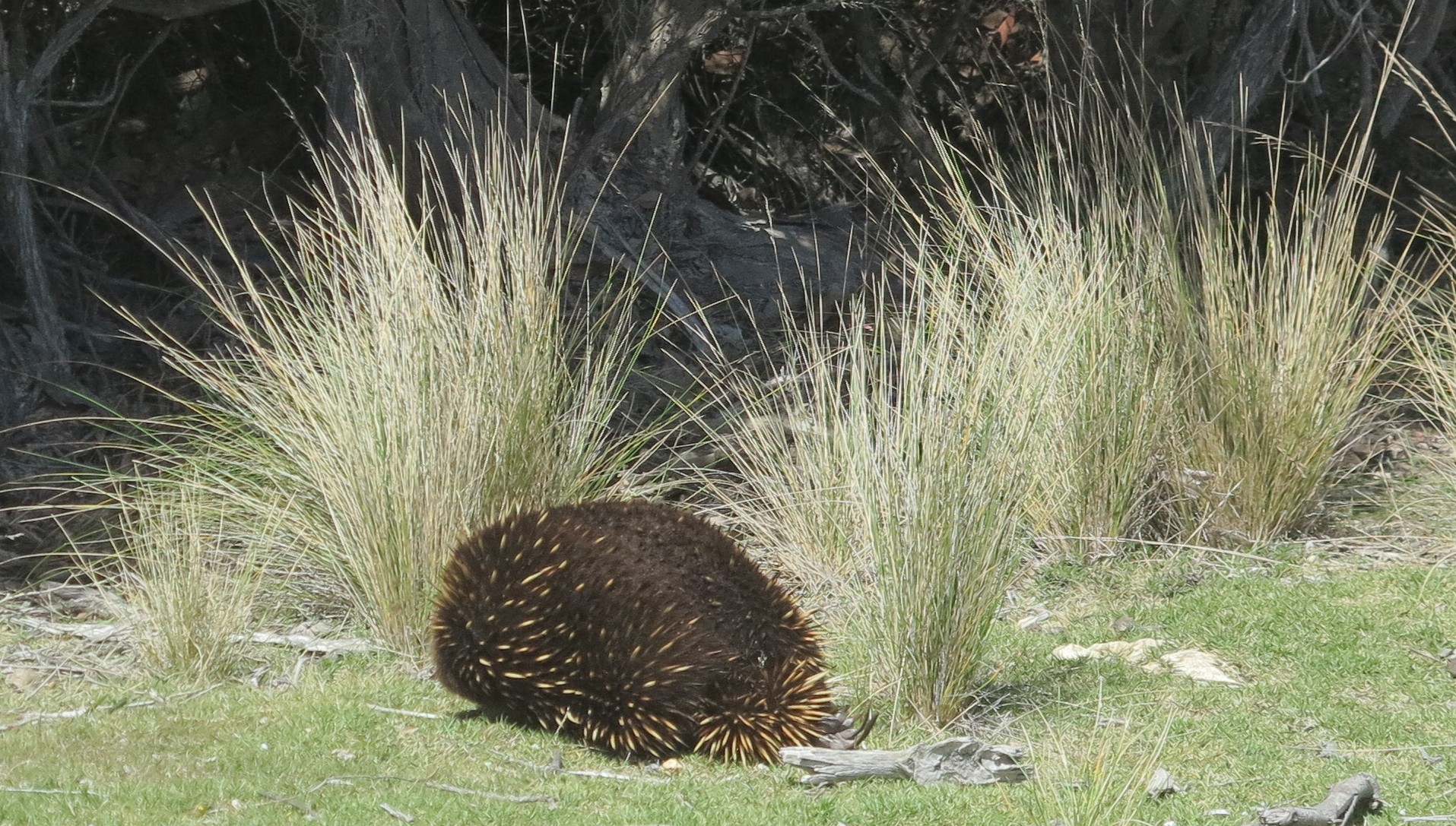
▲ A Flinders Island echidna
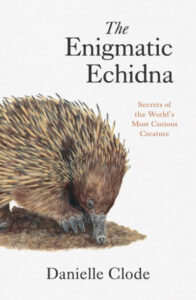 The Enigmatic Echidna
 by Danielle Clode starts with the idea that you simply don’t see them frequently – they keep away from us. Nevertheless I have encountered echidnas quite often, I have regular echidna sightings noted in my diary and when I search my photos I find echidna images on King Island, Flinders Island and Kangaroo Island and no doubt there are others which I haven’t labelled.
.
The book underlines how long it took us to learn much about them. Did they really lay eggs, the only other monotreme – egg laying mammal – is the platypus, but it took western scientists a long time to prove that fact. Of course they could have saved a century of research and an awful lot of dissected echidnas if they’d simply asked Aboriginals, but facts aren’t facts without Western proof?
.
Today we know a lot more about them, they’re extremely strong, they positively hate being penned up – echidnas are escape artists – and they have surprisingly big brains. But what are those brains for, apart from eating more ants what do echidnas think about? There’s lots more to learn including their hibernation habits, which seem to vary from place to place and echidna to echidna. Not just deep sleep hibernation either, echidnas are also masters of falling into torpor, shorter term hibernation, not just as an energy saving practice, but sometimes out of sheer boredom. I don’t like this situation? I’ll just fall asleep until it’s over.
.
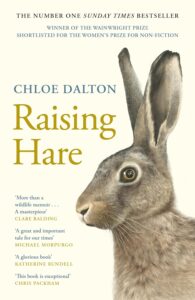
My other wildlife book of the past year is Chloe Dalton’s wonderful
Raising Hare. The author comes across an abandoned baby hare, a leveret, and reluctantly takes it in. I’m a terrible stop and go reader, some books take me months to get through, but this one I raced through. Assorted reviews proclaim how good it is and I’m in agreement, it’s a simply wonderful book. It’s educational and thought provoking as well as touching and, as with those enigmatic echidnas, you learn all sorts of things you never suspected about hares. Starting with the simple fact that they are not rabbits, despite a superficial visual similarity in many ways they are nothing like rabbits.
.
Nor, the author solidly emphasises, was her rescued hare a pet. For starters she never gives it a name, but if you wanted a pet it would clearly be a nice one to have! For starters it is 100% tidy, it never had to be house-trained and when she later finds herself sheltering two more leverets, courtesy of her original hare, they don’t need to be house-trained either, Hare One looks after that. There is clearly real contact between hare and author, when it has its own leverets it brings them to her as if to show them off and parks them in the house having clearly said to them ‘she’s OK, she may be big, but you can trust her.’ And they do.
Check this video of Chloe Dalton talking about her hare story.